Sustainability Reporting
How can your company report on sustainability in the best way? We explain the rules, standards, and how to get started step by step.
.png&w=2048&q=70)
Sustainability reporting for the construction industry
The construction industry is facing some of the most far-reaching sustainability requirements in EU history. With CSRD leading the charge, more and more companies in construction and civil engineering need to report their climate impact in a structured way.

Sustainability Reporting for the Transport Industry
The transport industry is facing some of the most far-reaching sustainability requirements in EU history. New regulations, with CSRD at the forefront, mean that more and more transport and logistics companies need to report their climate impact in a structured, comparable way.

What Is SBTi? Science Based Targets Explained
The Science Based Targets initiative (SBTi) is the global organization that set the bar for what a science-based climate target actually means.

Sustainability data in your accounts – why they're more connected than you think
You record every invoice, every receipt, every cost. It's a given. Your accounts are your company's memory — they tell you what you've bought, from whom, and for how much. But they also tell you something else: they tell you how much carbon dioxide you've emitted.

What are emission factors and where do they come from?
Every time your company buys something, whether it's electricity, transport, raw materials, a consultancy service or a new computer, it causes emissions of carbon dioxide and other greenhouse gases somewhere in the value chain. But how do you actually calculate how much?

EU Taxonomy – What Is It and Does It Affect Your Business?
The EU taxonomy is one of the most talked-about terms in the sustainability world right now. Yet a surprising number of business owners don't really know what it means — or whether it even concerns them. This article clarifies what the EU taxonomy actually is.
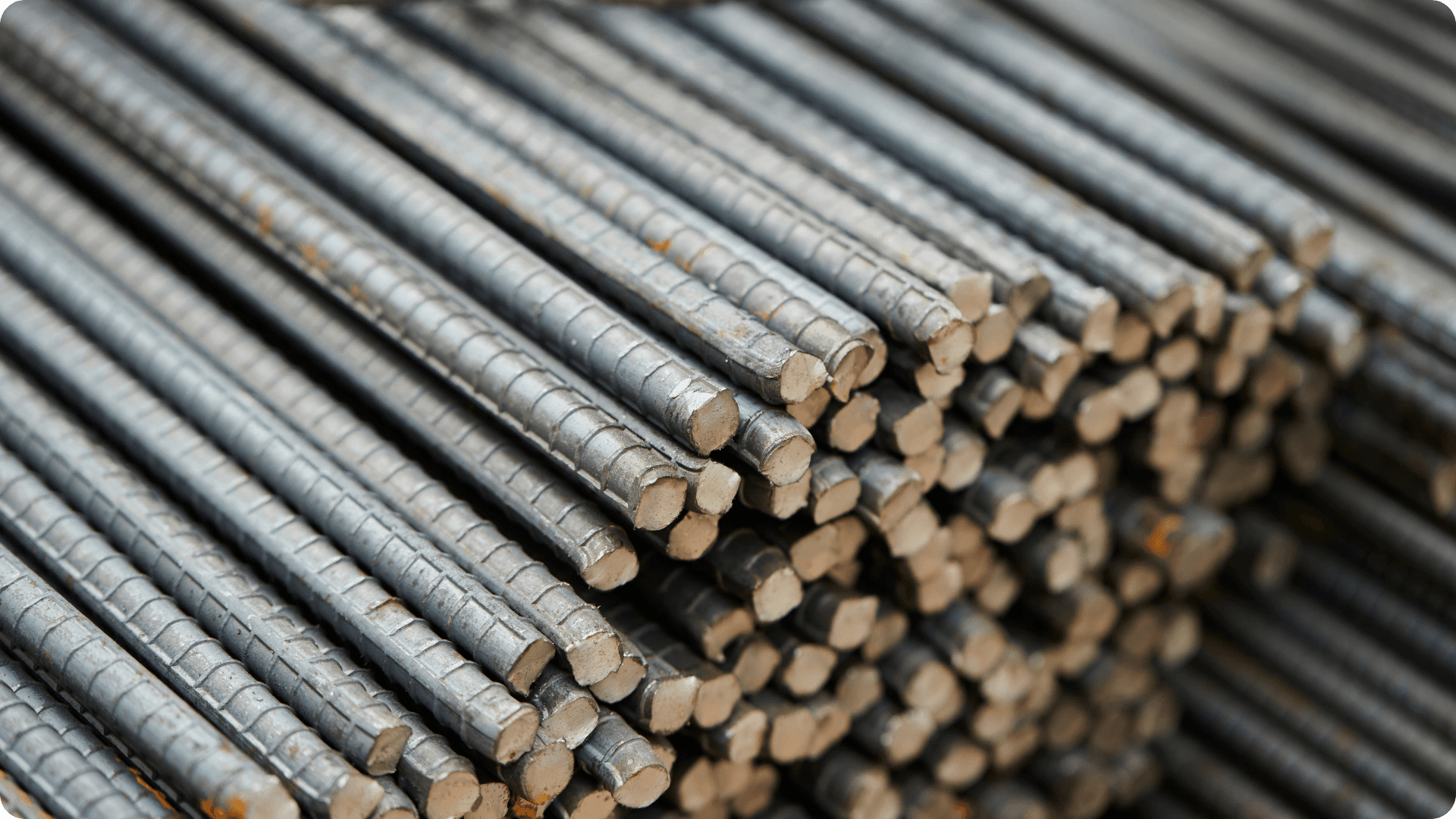
CBAM – the carbon border tax that affects importing businesses
Does your business import steel, aluminium, cement or fertilisers from outside the EU? Then CBAM (often called the carbon border tax) is something you need to know about.

TR Media aims to put planet and customer first
The transition to the automated tool was quick. "Compared to previous manual processes, we now save a lot of time — several working days per year — while also reducing the risk of errors," says Daniel Livensjö, CEO of TR Media.

What Is a Double Materiality Assessment?
Sustainability reporting is no longer just about describing what a company does for the climate. It's also about understanding what the climate, and other sustainability issues, do to the company. That's the core of a double materiality assessment.

What does a sustainability report cost?
It's one of the most common questions we get from companies that are just getting started with sustainability reporting. And the answer, like most things in this area, is: it depends.
.png&w=2048&q=70)
Sustainability Reporting vs. Sustainability Disclosure: What's the Difference?
Many people use the terms sustainability reporting and sustainability disclosure as if they mean the same thing. That's understandable, since both are about a company showing its sustainability work, but in practice they're two different things with different legal status.

Hogia and GoClimate enter new partnership – making sustainability work simpler and more accessible
Hogia is now launching a new integration together with GoClimate, enabling companies to work more data-driven with sustainability. By connecting business and payroll systems directly to climate calculations, customers gain concrete insights without having to introduce new parallel systems.
How to respond to sustainability requirements as a supplier
Sustainability requirements from customers are no longer something that only affects large companies. More and more small and medium-sized businesses come across them in their day-to-day work. And the requirements are only going to increase.

Connecting Strategy and Detail in Climate Work
Through the partnership between GoClimate and CarbonCloud, strategic oversight is connected with operational climate work.

Lunar: When Climate Data Becomes a Practical Tool for Small Businesses
Lunar is now launching, in collaboration with GoClimate, a solution that gives small businesses access to climate data directly within their ongoing operations. The ambition is for climate data not to be perceived as a separate project or an administrative requirement, but as a natural basis for decision-making in day-to-day business.
.png&w=2048&q=70)
Exopen Launches Sustainability Data in Business Management – Together with GoClimate
Exopen is now launching, together with GoClimate, a new integrated solution that makes sustainability data a natural part of companies’ business management. Through this collaboration, companies gain the opportunity to work in a data-driven way with both business data and emissions data – in the same platform.

How to calculate your company’s climate footprint
How to calculate your company’s climate footprint? Read this knowledge page to learn more.