Hogia and GoClimate enter new partnership – making sustainability work simpler and more accessible
Hogia is now launching a new integration together with GoClimate, enabling companies to work more data-driven with sustainability. By connecting business and payroll systems directly to climate calculations, customers gain concrete insights without having to introduce new parallel systems.
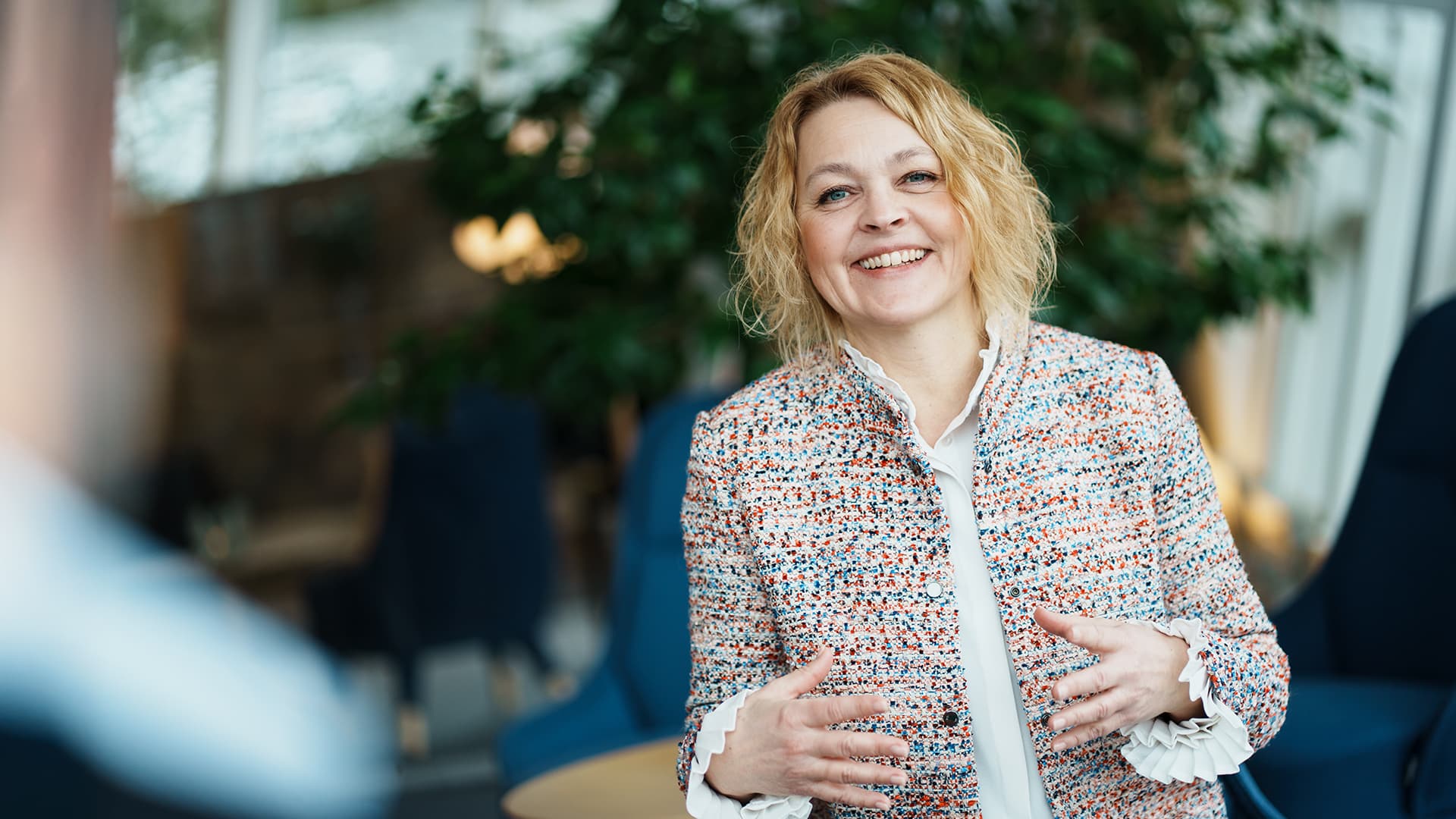
Pia Witte, CSO at Hogia.
– The greatest value is that sustainability work becomes simple, accessible, and more integrated into customers’ existing workflows, says Pia Witte, CSO at Hogia.
Many companies already have large amounts of relevant data in their systems but lack the tools to turn it into practical sustainability insights. With the new integration, data is automatically used to calculate climate impact and create structured documentation for reporting.
– Through the collaboration with GoClimate, our customers can automate calculations and gain clear decision support without having to work manually. This lowers both the threshold and the cost of getting started, while also improving the quality of data and reporting, says Pia Witte.
From GoClimate’s perspective, the collaboration is seen as an important step toward reaching more companies and making sustainability efforts more actionable.
– For us, it’s about making it easy for companies to understand and reduce their climate impact in practice. Through the integration with Hogia, we can meet customers where their data already exists and turn it into concrete insights and actions, says Kalle Nilvér, co-founder of GoClimate.
A strategic step for future requirements
The initiative is driven by a clear ambition: to remain a relevant and long-term partner in a time when sustainability is becoming increasingly business-critical.
– Sustainability requirements are no longer something separate from core operations. They impact everything from finance and business to risk management and competitiveness, says Pia Witte.
By integrating sustainability functionality directly into its systems, Hogia aims to help customers meet both new regulatory requirements and growing market expectations. At the same time, the collaboration with GoClimate provides access to specialized expertise in climate calculations.
– We combine GoClimate’s expertise with our operational systems, making it easier for customers to work with their sustainability data, says Pia Witte.
New business opportunities with the right data
Demand for sustainability reporting is increasing rapidly—not least from banks, larger companies, and other stakeholders. For many small and medium-sized enterprises, this can be crucial for winning or retaining business.
– By working with automated sustainability calculations, it becomes easier to meet requirements from both customers and financial stakeholders, says Pia Witte.
At the same time, structured and comparable data provides better internal decision-making support. Companies can more easily identify costs, improve resource efficiency, and reduce risks. With VSME reporting—the voluntary sustainability standard developed by the EU’s expert body EFRAG—they also gain a tailored and proportionate way to manage sustainability data without unnecessary administration.
– Overall, this strengthens competitiveness and makes it easier to future-proof operations, says Pia Witte.
“The important thing is to get started”
Finally, Pia Witte emphasizes that sustainability work does not need to be perfect from the outset.
– The most important thing is to get started in a structured and scalable way. With automated solutions, companies can begin where they are today and then develop their work over time, as requirements and internal maturity increase, says Pia Witte.
Hogia’s ambition is clear: to make sustainability work concrete, business-oriented, and integrated into daily operations.
– Sustainability should not be a side project—it should be a natural part of business management, says Pia Witte.
Want to go from knowledge to action?
See how GoClimate turns your accounting into a report you can act on.