Hugo Röjgård: "Climate activism doesn’t have to be driven by anger or fear, but through love for nature"
Hugo Röjgård entered environmental work through an unconventional path—via art, graffiti, and a lifelong love of cycling. For over a decade, he helped build up the Graffiti Advocacy, learning along the way how to drive change through political influence. Since then, he has applied the same methods to outdoor life and cycling.
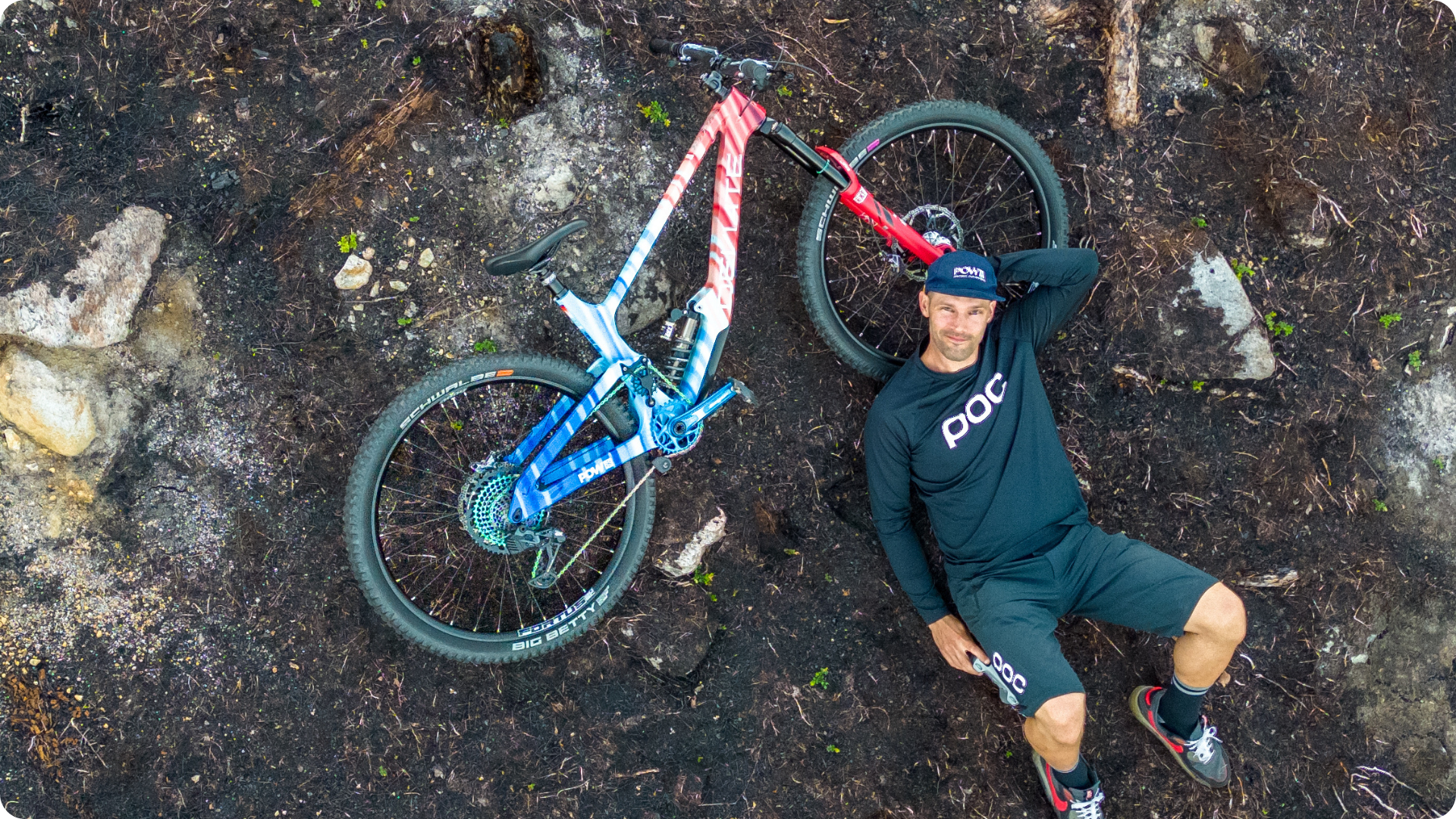
Hugo Röjgård is a project manager at the Swedish Cycling Advocacy (Cykelfrämjandet) and an ambassador for Protect Our Winters Athletes Alliance (POW).
“This is my fourth advocacy organization, so if anything, I’m an advocate.”
Today, Hugo is a project manager at the Swedish Cycling Advocacy and an ambassador for Protect Our Winters Athletes Alliance (POW)—a global grassroots movement founded in 2007 by snowboarder Jeremy Jones, who witnessed firsthand how climate change was transforming the mountains he loved. POW now brings together a global network of over 150,000 followers and more than 200 ambassadors from across the outdoor sports world—from professional athletes and resorts to climate researchers and passionate outdoor enthusiasts.
It was at a climate conference on Kebnekaise that Hugo first encountered POW and understood what set them apart from other climate actors.
“They showed that climate activism doesn’t have to be driven by anger or fear, but through love for nature and our own identity as outdoor people.”
Witnessing the effects of climate change up close
As a mountain biker and POW ambassador, Hugo sees the effects of climate change on nature firsthand—shrinking snow cover, extreme drought, storms, and wildfires. It’s not abstract. But his commitment goes beyond his own hobby.
Hugo’s approach to sustainability is pragmatic. He prefers cycling close to home over driving, chooses the train over flying, and is open about not always succeeding. In the summer of 2024, he packed his enduro mountain bike with 30 kilos of gear and cycled from Stockholm to the Swedish Championships in Falun. Two days, one night camping along the way, and a fifth-place finish in the competition. The return trip was by car.
“POW has a motto—willingness to change over perfection. No one is perfect, and that’s completely okay as long as you have the will to learn more.”
When climate data connects with emotions, we can make a real difference
Hugo’s perspective on cycling extends beyond health and emissions. Starting to cycle to work often triggers a questioning of the world we’ve built—why infrastructure, tax laws, and social norms are so systematically adapted to cars. Why are there tax deductions for cars but not for bikes? The fact that Sweden has more parking space than living space is a statistic that tends to provoke thought.
When asked how climate measurement can be used in outdoor life and cycle tourism, Hugo makes an important point: numbers must be linked to emotions to actually make a difference.
“Numbers, when communicated together with emotions, with something you care about, can contribute to the behavioral changes that are necessary.”
What is worth preserving for your company?
This insight aligns closely with GoClimate’s own belief. Understanding your climate impact is a first step—but it’s when that knowledge is linked to something you care about—a forest you cycle in, a winter you want to preserve, a way of life you don’t want to give up—that real change happens. For Hugo, it’s cycling, his children, the forest, and the snow that drive his commitment. For your company, it might be something else. But the tools for understanding and reducing emissions are the same.
How to get started and measure your company’s climate impact
Want to know how GoClimate can help your company measure and reduce its climate impact—automatically and without hassle? Read more about how it works.
Want to go from knowledge to action?
See how GoClimate turns your accounting into a report you can act on.