Zhangjiajie Meitanwan MSW landfill site
This project recovers and destroys landfill gas (LFG) such as methane - generated at the municipal solid waste landfill site in Zhangjiajie City, China.
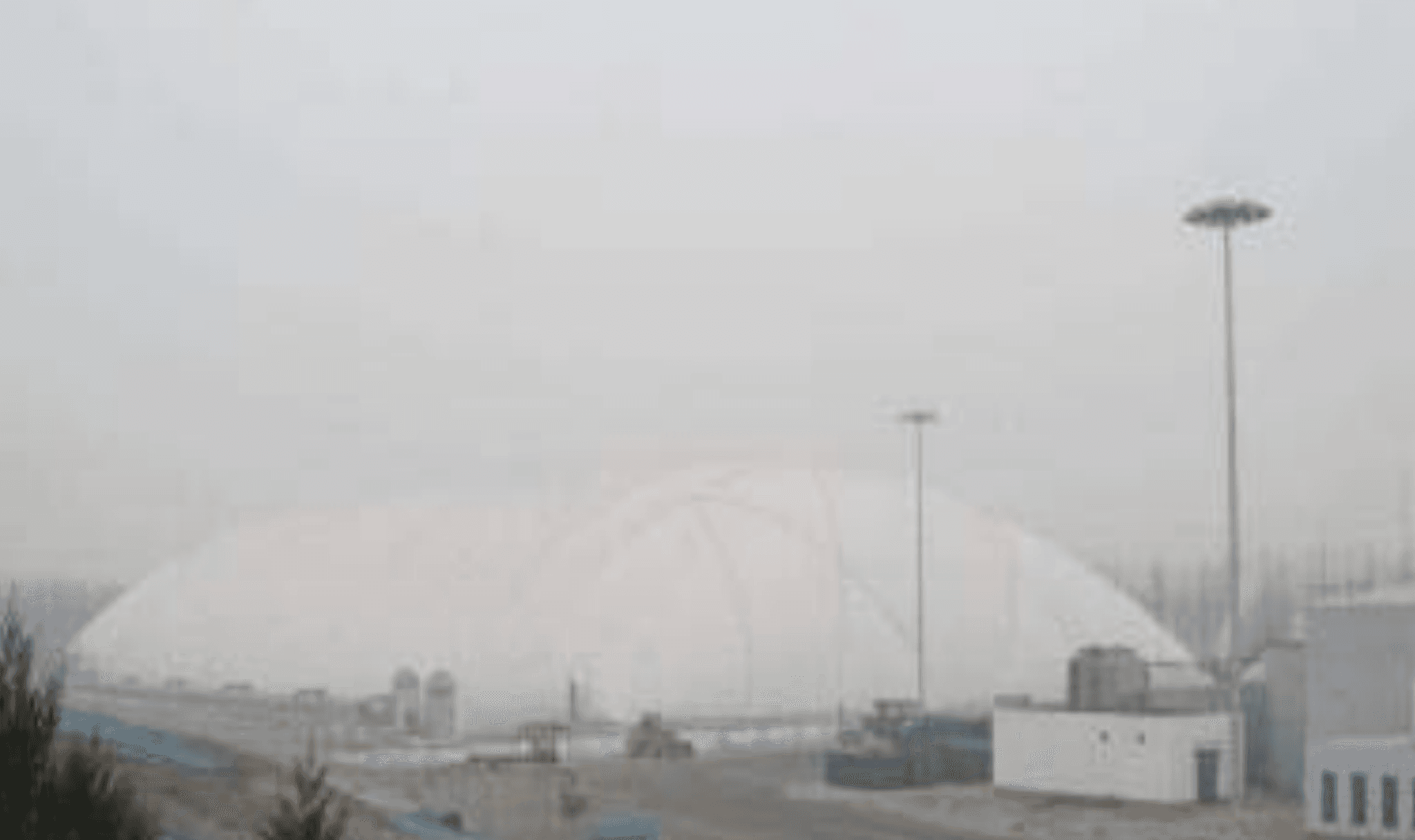
Zhangjiajie Meitanwan MSW Landfill Site LFG Recovery to Power Project
This Gold Standard-certified climate project recovers and destroys landfill gas (LFG) such as methane - generated at the municipal solid waste landfill site in Zhangjiajie City, Hunan Province, P.R. China.
Methane is one of the most powerful greenhouse gases driving climate change. While carbon dioxide receives most of the attention, methane traps significantly more heat in the atmosphere over the short term, making it an important target for climate action. Municipal solid waste landfills are among the world's largest human-caused sources of methane emissions, as organic waste decomposes without oxygen beneath the landfill surface.
The Zhangjiajie Meitanwan MSW Landfill Site LFG Recovery to Power Project addresses this challenge by capturing methane-rich landfill gas before it escapes into the atmosphere. Instead of allowing the gas to leak uncontrolled, the project collects, treats, and uses it to generate renewable electricity for the regional power grid.
How the project works
When food waste, paper, garden waste, and other organic materials decompose inside a landfill, they produce landfill gas consisting primarily of methane and carbon dioxide. Without collection systems, much of this methane would be released directly into the atmosphere.
The Zhangjiajie project installs infrastructure to:
- Collect landfill gas through a network of extraction wells and pipes.
- Transport and treat the gas.
- Use the recovered gas as fuel in electricity-generating engines.
- Deliver the generated electricity to the Central China Power Grid.
- Destroy methane through controlled combustion, converting it into carbon dioxide, which has a much lower warming effect.
The project therefore delivers climate benefits in two ways:
- Methane destruction – preventing highly potent greenhouse gases from reaching the atmosphere.
- Renewable electricity generation – reducing the need for fossil-fuel-based power generation.
Why methane matters
Methane is responsible for a substantial share of near-term global warming. Because it is far more potent than carbon dioxide over shorter timescales, reducing methane emissions is widely regarded as one of the fastest ways to slow the rate of global warming. Scientists and policymakers increasingly view methane mitigation as a critical climate strategy for this decade.
Landfills are particularly important because they continuously generate methane for many years after waste has been deposited. Capturing and destroying this gas is therefore one of the most effective interventions available in the waste sector.
Verified climate impact
The project is certified under the Gold Standard, one of the world's leading carbon credit standards. Gold Standard certification requires independent validation, ongoing monitoring, and third-party verification of emission reductions.
The project is registered under Gold Standard project ID GS11538 and is expected to generate approximately 80,000 verified emission reductions annually through methane recovery and renewable electricity generation.
Benefits beyond climate
In addition to reducing greenhouse gas emissions, the project creates several local environmental and social benefits:
Better air quality
Landfill gas often contains compounds that create unpleasant odors and can negatively affect nearby communities. Capturing and treating the gas improves local environmental conditions around the landfill.
Renewable energy generation
The project converts a waste problem into a useful energy resource. Electricity generated from recovered landfill gas helps supply power to homes and businesses while reducing dependence on fossil fuels.
Improved landfill safety
Methane accumulation can increase the risk of fires and explosions at landfill sites. By actively collecting and controlling the gas, the project improves operational safety.
Support for Sustainable Development Goals
The project contributes to several UN Sustainable Development Goals, including:
- Good Health and Well-being (SDG 3)
- Quality Education (SDG 4)
- Affordable and Clean Energy (SDG 7)
- Decent Work and Economic Growth (SDG 8)
- Climate Action (SDG 13)
Turning waste into climate action
The Zhangjiajie Meitanwan MSW Landfill Site LFG Recovery to Power Project demonstrates how existing waste infrastructure can become part of the climate solution. By capturing methane that would otherwise escape into the atmosphere and using it to generate electricity, the project delivers measurable climate benefits while supporting cleaner energy production and improved local environmental conditions.
Projects like this play an important role in reducing emissions today while longer-term solutions for waste reduction and circular resource use continue to develop. Through verified methane capture and renewable energy generation, the Zhangjiajie project transforms a significant source of greenhouse gas emissions into a source of climate impact.
Want to go from knowledge to action?
See how GoClimate turns your accounting into a report you can act on.