Macaúbas Landfill Gas Project
Methane from Belo Horizonte's waste is captured at the Macaúbas landfill in Brazil and turned into renewable electricity. Gold Standard and CCP-labelled.
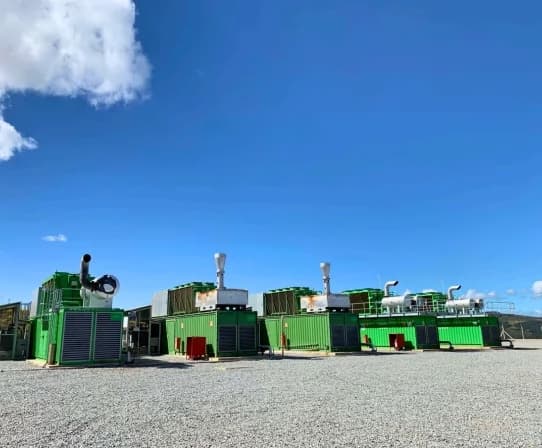
Macaúbas Landfill Gas Project, Brazil: Turning a City's Waste into Renewable Power
Every day, around 2,700 tonnes of household waste from Belo Horizonte, the capital of the Brazilian state of Minas Gerais, end up at the Macaúbas landfill in neighbouring Sabará. As organic waste breaks down without oxygen, it produces methane (CH₄), a greenhouse gas around 28 times more powerful than CO₂ over a 100-year period. Without the project, that gas would leak straight into the atmosphere.
🔧 What the Project Does
At the Central de Tratamento de Resíduos Macaúbas (CTR Macaúbas), a network of gas wells and pipes collects the landfill gas before it can escape. Since 2017, the gas has fuelled seven engine-generators with a combined capacity of about 10 MW, producing electricity for Brazil's national grid. Gas that isn't used for power is destroyed in a high-temperature flare, so the methane is burned either way.
The project has been part of the UN's Clean Development Mechanism since 2013 and is now certified by the Gold Standard.
📊 Impact in Numbers
This project delivers measurable climate benefits every year:
- ⚡ ~50,000 MWh of electricity per year, enough to power around 25,000 homes.
- 🔌 ~10 MW installed capacity across seven gas engines.
- 🗑️ ~2,700 tonnes of waste per day from Belo Horizonte handled at the site.
- 🌍 ~445,000 tCO₂e in estimated emission reductions per year, according to the Gold Standard registry.
🌱 Social and Economic Benefits
Capturing the gas improves local air quality, reduces odours and lowers the risk of landfill fires and explosions. The project creates local jobs and builds know-how in landfill gas management and renewable energy. Part of the revenue from electricity sales also goes back to the city of Belo Horizonte as royalties.
The project is certified for its contribution to three of the UN Sustainable Development Goals: Affordable and Clean Energy (7), Decent Work and Economic Growth (8) and Climate Action (13).
✅ Quality You Can Check
The credits are issued by the Gold Standard and carry the Core Carbon Principles (CCP) label from the Integrity Council for the Voluntary Carbon Market (ICVCM), an independent quality mark for carbon credits. GoClimate has bought 7,500 tonnes of verified emission reductions from the project (vintage 2022). You can follow the project in the Gold Standard registry (GS 12670).
💚 Why This Matters for GoClimate Supporters
Supporting the Macaúbas Landfill Gas Project through GoClimate means:
- Fast climate impact: methane is responsible for around 30% of global warming to date, so cutting it is one of the quickest ways to slow warming.
- Verified quality: Gold Standard certification and the CCP label.
- Renewable electricity fed into Brazil's grid, replacing fossil power.
This is climate finance focused on real-world impact: stopping emissions at the source while turning a city's waste into a resource.
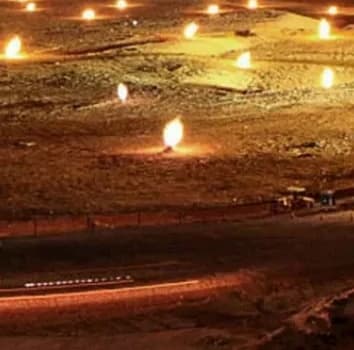
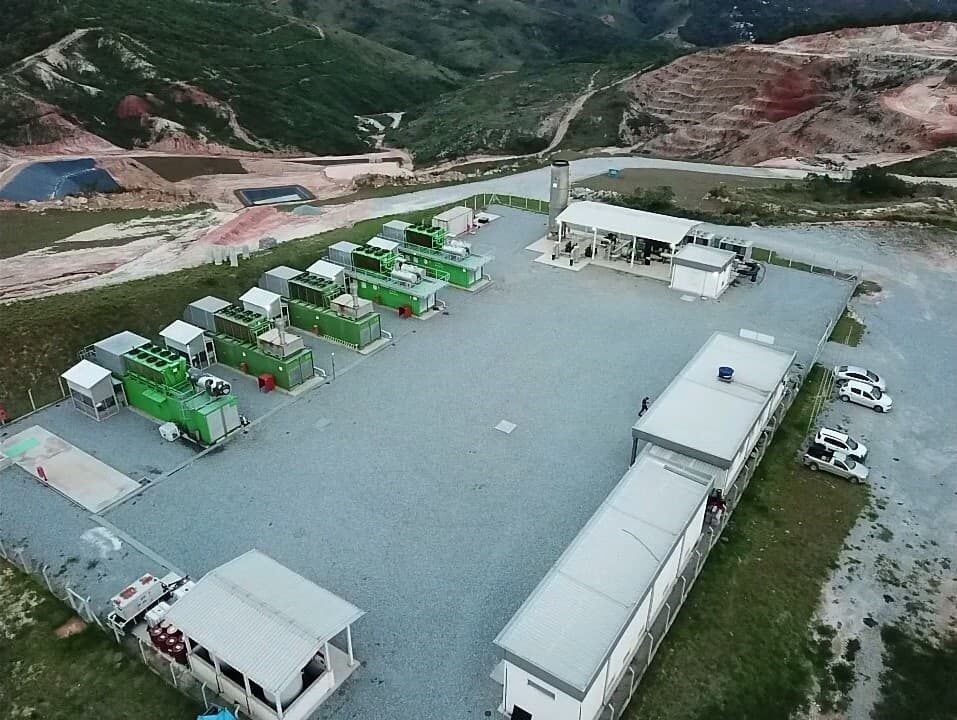
Photos: project developer (via SCB) and Prefeitura de Belo Horizonte (Divulgação/PBH).
Want to go from knowledge to action?
See how GoClimate turns your accounting into a report you can act on.