How does agriculture affect the environment?
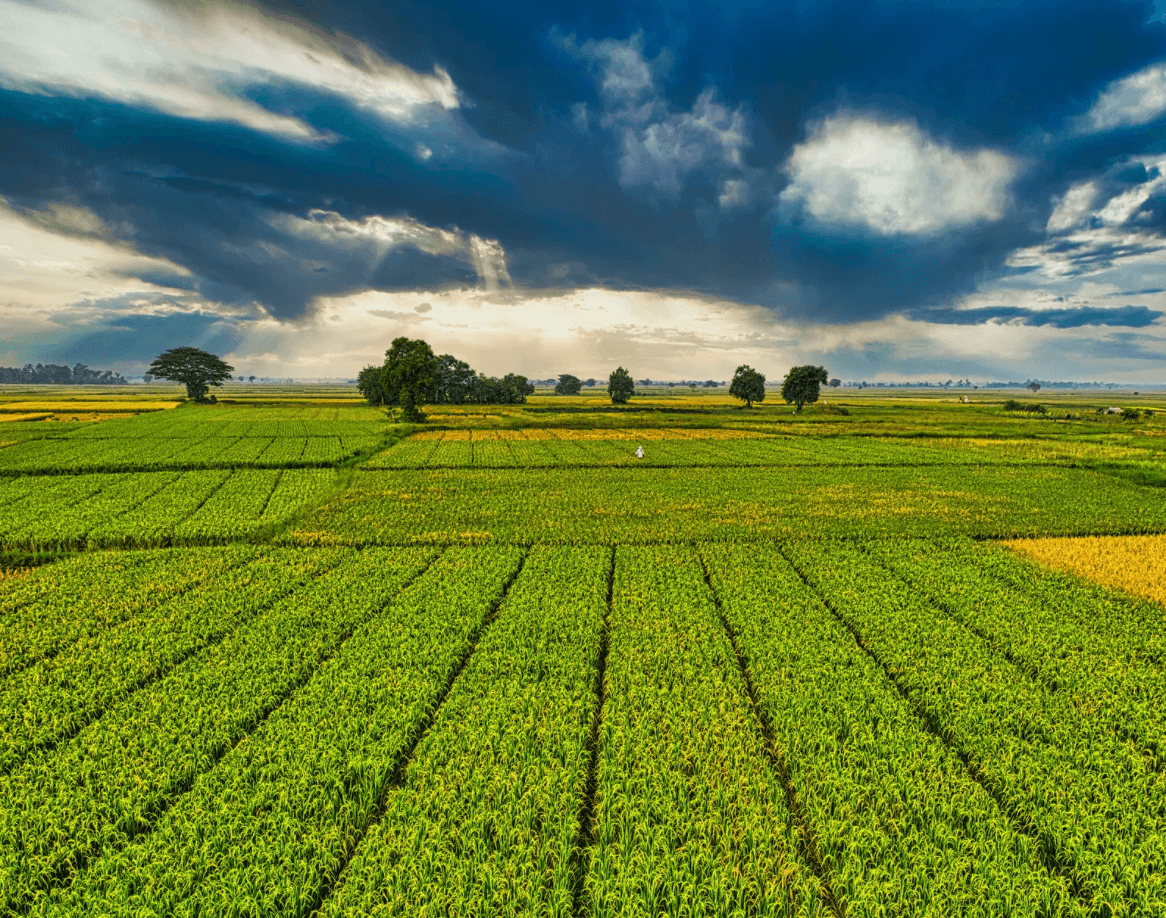
Agriculture is the starting point for large parts of our economy and everyday lives. Food, textiles, and many other bio-based products begin in the soil – which is why agriculture's climate impact is a critical part of the work to reduce emissions across the entire value chain.
When companies want to understand their environmental impact, this is often one of the most decisive pieces of the puzzle.
Why does agriculture play such a major role for the environment?
Agriculture affects the climate in several ways. It requires land, water, energy, and inputs that among other things cause greenhouse gas emissions. Globally, agriculture accounts for a quarter of all greenhouse gas emissions¹, and in Sweden the agricultural sector's emissions correspond to around 13 percent of total territorial emissions.² At the same time, agriculture is essential for our food supply and for the production of Swedish and international raw materials – from cotton to linen, hemp, and cellulose-based fibres.
There are both challenges and opportunities here. Much depends on how land is managed, which animals are part of the systems, and how raw materials are produced in different countries.
Agriculture's climate impact – where do emissions come from?
When we talk about agriculture's climate impact, it often involves three main gases that are converted together into tonnes of CO₂ equivalents. This makes it easier to compare different emissions and identify where the greatest climate gains can be found.
Carbon dioxide
CO₂ is released through machinery, fuels, and changes in land use – for example when forests are converted to agricultural land. This is often where large quantities of CO₂ equivalents are released in a short period of time.
Methane
Methane is produced in ruminant animals, including cows and other grazing animals. In Sweden, methane from livestock digestion alone accounts for 52 percent of the agricultural sector's emissions.² Methane is potent but short-lived – calculated over 100 years, its warming potential is 28 times higher than CO₂³ – meaning that reducing methane emissions quickly reduces total climate impact. This is an area where several Swedish research projects are showing promising results.
Nitrous oxide
Nitrous oxide causes significant climate impact despite small volumes: one kilogram of nitrous oxide has roughly the same effect on the greenhouse effect as 273–298 kilograms of CO₂.⁴ It is produced when nitrogen is added to the soil through manure or synthetic fertiliser. Here too there are clear opportunities to reduce emissions through better fertilisation strategies, reduced leaching, and healthier soils.
Water, nutrient leaching, and chemicals
Agriculture uses water in different ways depending on the crop and climate. Irrigation is sometimes necessary, but can also increase pressure on groundwater. Nutrient leaching is another area that causes problems – particularly when excess nitrogen and phosphorus reach waterways and the sea, contributing to eutrophication among other issues.
Chemicals such as pesticides affect biological ecosystems and can reduce the number of insects and other important species. Better soil management and integrated pest control are strategies that have reduced chemical use in several regions.
Land use and biodiversity
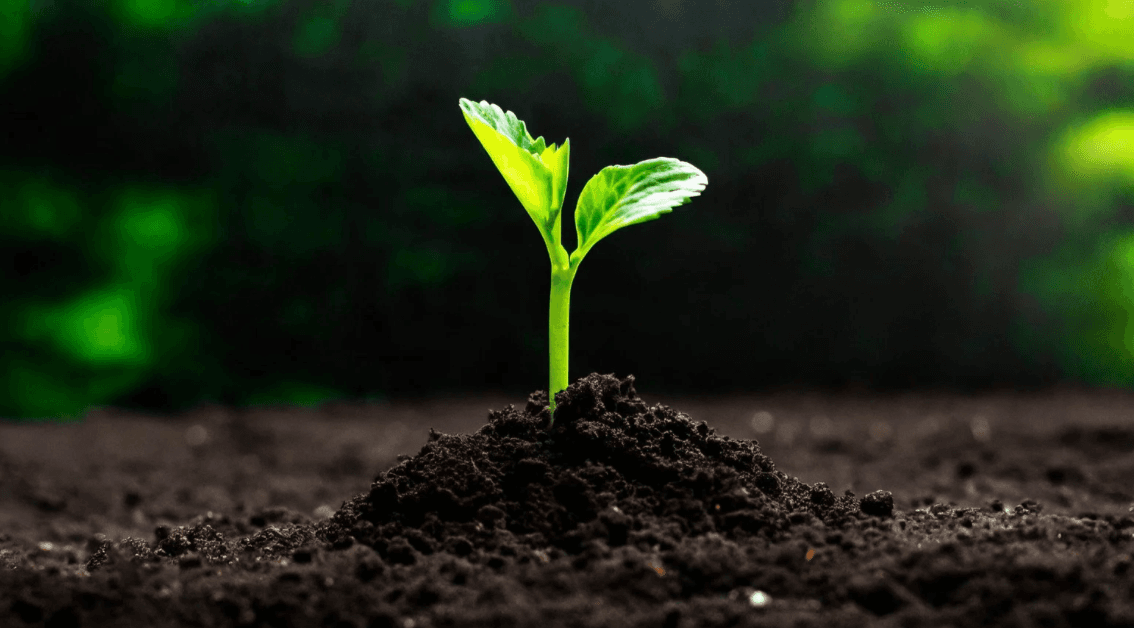
How agricultural land is managed determines much of agriculture's long-term environmental impact. Land with high humus content can store large amounts of carbon and thereby reduce emissions over time. Regenerative farming methods – including varied crop rotation, reduced tillage, and perennial crops – strengthen the soil's biological functions and have been shown to reduce the need for inputs.
Monocultures, intensive tillage, and high chemical levels on the other hand increase risks and cause loss of biodiversity. Animals play an important role here: the right type of grazing can benefit land that would otherwise become overgrown, while poor livestock management increases emissions and pressure on the land.
Material choices and agriculture – why it matters beyond food
For companies working with textiles or bio-based materials, the connection is clear: how a raw material is produced directly affects total emissions.
Cotton has high water consumption – up to 29,000 litres of water may be needed to produce one kilogram of cotton⁵, enough for around five to six t-shirts. Linen and hemp are examples of crops that generally require fewer resources. Cellulose-based fibres – such as lyocell – are based on wood raw material where certifications like FSC play an important role.
There are major differences between different farming methods. It is not just "which fibre" that counts – but how it is grown. This is a priority area for many companies today.
What can companies do to reduce their impact?
You don't need to run a farm to influence emissions. Among other things, you can:
- Choose raw materials with lower climate impact and better land management
- Set requirements for certifications and transparency
- Work actively with traceability
- Prioritise recycled materials where quality allows
- Design products that last longer, reducing the need for new raw materials
Summary
Agriculture causes emissions of methane, nitrous oxide, and CO₂, and affects land, water, and biological ecosystems. At the same time, there are many ways to reduce climate impact: including regenerative farming methods, better nutrient management, more resilient production systems, and smarter material choices.
When companies work systematically on these issues, emissions are reduced across the entire value chain – from agricultural land to finished product. That is how progress is made, step by step.
Do you know where your company's emissions actually come from?
Agriculture is only part of the picture. With GoClimate's tool, data is collected automatically from invoices and receipts – giving you a quick overview of where emissions are highest, enabling you to start reporting in line with VSME, and helping you stay ahead of both customer expectations and regulatory requirements.
Sources
- 1. Greenpeace Sweden – Agriculture's climate emissions
- 2. Swedish Environmental Protection Agency – Agriculture, greenhouse gas emissions
- 3. Swedish Environmental Protection Agency – Calculating climate impact (IPCC AR5)
- 4. Swedish Society for Nature Conservation – How does the greenhouse effect work?
- 5. Swedish Environmental Protection Agency – Today's textile flows – a global environmental challenge
Want to go from knowledge to action?
See how GoClimate turns your accounting into a report you can act on.