How Fit for 55 affects businesses – and what you can do right now
The EU's climate package Fit for 55 is one of the most comprehensive reforms of EU climate and energy policy to date. The goal is clear: EU greenhouse gas emissions must be reduced by at least 55 percent by 2030 compared to 1990.¹
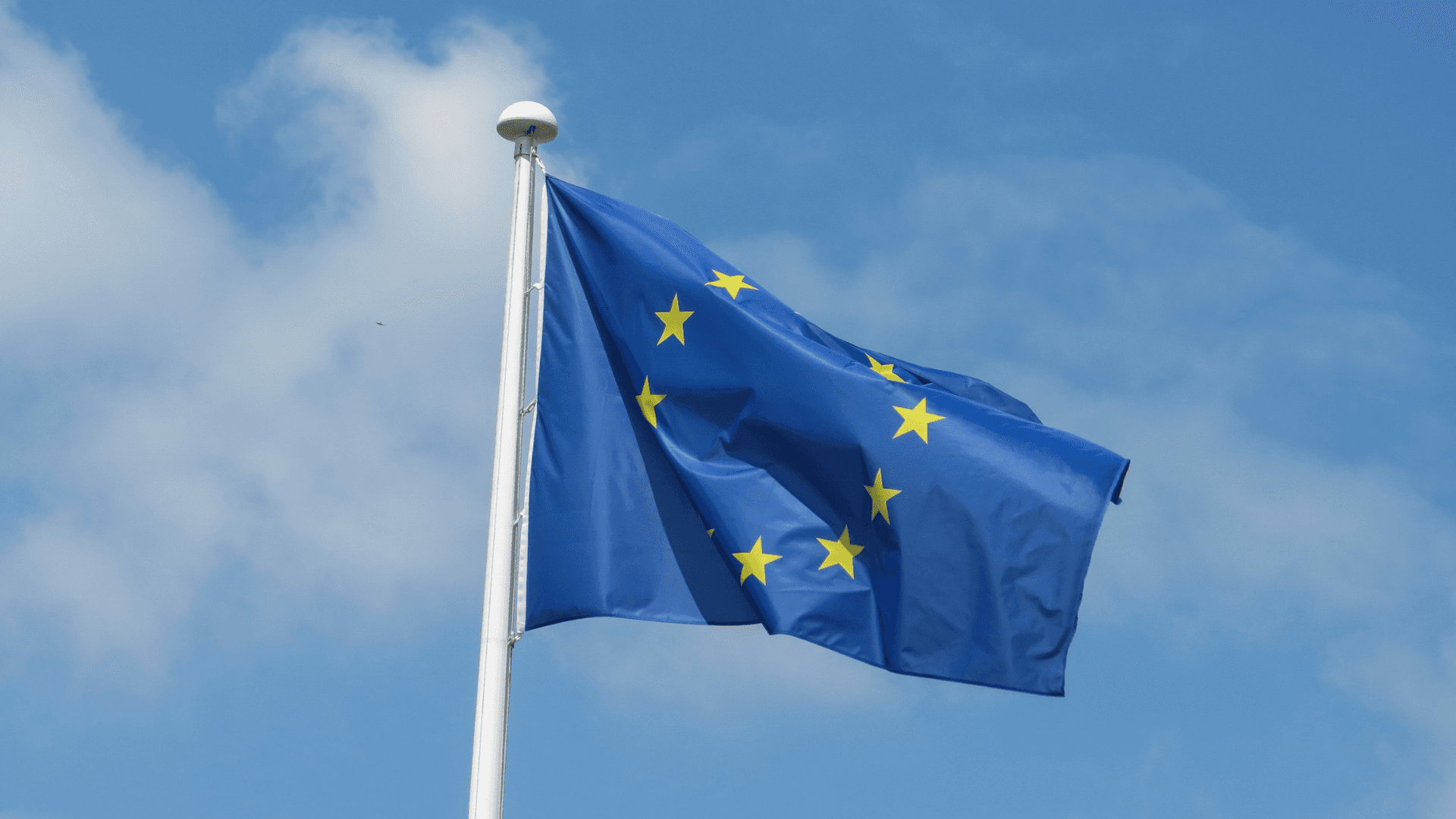
For businesses, this means stricter emissions requirements, new rules for energy and transport – and an increased focus on reducing dependence on fossil fuels. At the same time, new incentives are being created, for example through emissions trading and policy instruments designed to make the transition economically attractive.²
The good news? The transition can begin right now. Many of the measures driven by Fit for 55 are also things that strengthen your business, reduce risks, and make companies more resilient in a changing world.³
What is Fit for 55?
Fit for 55 is a comprehensive legislative package from the European Commission, presented on 14 July 2021. It brings together both new proposals and revisions of existing rules, with the aim of aligning the EU's economy with the 2030 climate target.¹
The goal is for EU net greenhouse gas emissions to decrease by at least 55 percent by 2030 compared to 1990 levels. To get there, Fit for 55 covers several key areas:
Energy – faster expansion of renewable energy and higher energy efficiency requirements⁴ Transport – stricter emissions standards, electrification and reduced use of fossil fuels⁴ Buildings – energy efficiency improvements and new policy instruments for heating⁵ Industry – tightened rules under the EU emissions trading system and new requirements for emissions-intensive sectors⁶ Land use and forestry – increased focus on carbon sinks and biological resilience⁷
Fit for 55 is not only about technology and emissions, however. The package also includes mechanisms for a just transition, such as support for households and industries most affected, and measures to help EU businesses maintain their global competitiveness.¹
For businesses, this means climate is no longer something sitting outside the core operation. It affects costs, business models, supply chains – and also relationships with customers, investors and employees.
Key elements of Fit for 55 – what it means for businesses
Fit for 55 consists of several parts that together aim to reduce EU greenhouse gas emissions at the pace required to meet climate targets. For businesses, this means both new requirements and new opportunities. Here are the most central elements – and how you can act.
Emissions trading (EU ETS and ETS2) – broader application
The EU's emissions trading system is being expanded and tightened. The existing ETS already covers large parts of industry and the energy sector, but Fit for 55 also extends the system to road transport and buildings through a separate emissions trading system called ETS2, which takes effect in 2027. At the same time, the allocation of free emissions allowances under ETS is being reduced, driving faster emissions reductions.⁶ ⁸
Consequences for businesses:
- Higher costs linked to greenhouse gas emissions
- Greater need for control over climate impact, data and reporting
What you can do: Start by mapping your emissions – both direct and indirect. Identify where costs arise, and develop a strategy to reduce emissions and thereby your exposure to rising allowance prices.
CBAM – carbon border adjustment
The Carbon Border Adjustment Mechanism (CBAM) is being introduced to reduce the risk of emissions shifting outside the EU. Certain goods with high climate impact – such as cement, iron/steel, aluminium, fertilisers, electricity and hydrogen – imported from countries with weaker climate rules will be priced according to their carbon emissions, in a similar way to production within the EU.⁹
Consequences for businesses:
- Companies importing input goods may face higher costs
- Requirements for emissions data from suppliers outside the EU are increasing
What you can do: Map which suppliers are based outside the EU, what their emissions look like and what data they can provide. For many businesses, dialogue, collaboration and clear requirements will be decisive.
Energy efficiency and increased use of renewable energy sources
Fit for 55 tightens the EU's energy use targets and raises requirements for the share of renewable energy. Energy efficiency is particularly emphasised across industry, buildings and energy systems.⁴
Consequences for businesses:
- Increased pressure to reduce energy use per unit produced
- More business reasons to invest in renewable electricity and efficient technology
What you can do: Conduct an energy audit, identify measures with quick impact and develop a long-term plan. Reduced energy use typically delivers both lower costs and lower emissions.
Transport, new passenger cars and alternative fuel infrastructure
Transport is central to Fit for 55. Stricter emissions standards are being introduced for new passenger cars, and by 2030 emissions from new vehicles must have decreased by 55% – which in practice is driving electrification. At the same time, shared infrastructure for alternative fuels is being built across the EU.¹⁰
Consequences for businesses:
- Companies with vehicle fleets, transport operations or logistics are directly affected
- Increased requirements but also more options as charging and fuels become more accessible
What you can do: Review your vehicle fleet, plan for electric operation where possible and optimise logistics. For other transport needs, sustainable fuels may be an important step along the way.
Social Climate Fund – for a just transition
To mitigate the effects of increased costs, particularly from emissions trading in transport and buildings, a Social Climate Fund is being established. It will support households and small businesses that risk being hit hardest by the transition.
For businesses, this primarily means more stable conditions in society and reduced risk of social tensions that could slow climate action.
Why is this particularly important for Swedish companies?
Swedish companies are fully covered by EU climate legislation. Fit for 55 rules affect Swedish businesses through both directly applicable EU regulations and changes to Swedish law, regardless of sector.
Acting early brings several advantages: Lower risk of sudden cost increases Stronger competitiveness as demands from customers, investors and other stakeholders increase The opportunity to stay ahead in a rapidly changing market
In practice, it's not about doing everything at once – but about starting where the impact is greatest and building from there. This applies equally to companies that are still dependent on fossil fuels today.
Practical steps – what businesses can do right now
Map the current situation: emissions, energy use, transport and supply chain Prioritise the right measures: focus where emissions and risks are greatest Set targets and a roadmap: linked to Fit for 55, for example the transition to renewable electricity and reduced carbon emissions Engage suppliers: particularly those outside the EU where CBAM applies Communicate internally and externally: clarity creates buy-in and momentum Follow developments: the rules are adjusted on an ongoing basis – staying informed gives you more room to act
It is also wise to follow how the European Commission updates details and timelines, as several elements are being introduced in stages.
Frequently asked questions
What does "Fit for 55" mean?
"Fit for 55" is the name of a comprehensive EU legislative package aimed at ensuring the EU reaches its target of at least 55% reduction in greenhouse gas emissions by 2030 (compared to 1990 levels). In practice, it means EU member states need to become "fit" (ready/transformed) to reach "55" – a 55% emissions reduction.
What does the Fit for 55 package include?
The package consists of a range of legislative proposals and revisions of existing directives and rules covering climate, energy, transport and trade. Key elements include reforms to the EU ETS and the new ETS2 for transport and buildings, the introduction of CBAM, increased use of renewable energy, higher energy efficiency, and tightened CO₂ standards for vehicles. The regulation aims both to achieve an outcome (55% reduction by 2030) and to drive transformation across industry, energy, buildings and transport.
Is the EU on track to become "Fit for 55"?
Progress is being made – but challenges remain.
Signs of progress: The package was presented in 2021 and most of the central legislative acts have now been formally adopted by the Council and Parliament.¹ Key instruments such as the EU ETS, ETS2 and CBAM are now embedded in the regulatory framework.⁶ ⁹
Challenges: Many central Fit for 55 acts have now been adopted, but implementation remains – delegated acts, national transposition and phased entry into force all require continued work from member states.¹ WWF points out that the 55% target, despite being an increase from the EU's previous 40% goal, is still insufficient to limit warming to 1.5°C – and that a target of 65% gross emissions reduction by 2030 is needed to stay within what climate science requires.¹¹
So: the EU is moving and has momentum – but "on track" does not mean "done". For businesses, this means acting now, not waiting.
What is the EU's "55" target?
The central target is to reduce greenhouse gas emissions by at least 55% by 2030 compared to 1990.¹ The long-term goal is to reach climate neutrality by 2050 at the latest (i.e. emissions minus removals equal zero) across the EU. The target covers both direct emissions reductions and improved carbon sinks – but the main focus is on reduction.
What is the timeline for "Fit for 55"?
14 July 2021: The European Commission presented the package 2021–2023: EU institutions debated and adopted the majority of proposals April 2023: The Council formally adopted the central legislative acts¹ 2023–2027: Laws enter into force gradually; ETS2 starts in 2027⁸ Up to 2030: The main period in which emissions reductions are to take place After 2030 towards 2050: Transition towards climate neutrality
For businesses, this means requirements are ramping up throughout the period – preparation is needed now.
Why is it called "Fit for 55"?
"Fit for" refers to becoming ready – operationally and climatically – for the demands ahead. "55" refers to the target of 55% emissions reduction by 2030 compared to 1990. It's a punchy title: the EU needs to get "fit" to achieve "55".
Sources
- 1. Council of the EU – Fit for 55: official overview
- 2. European Commission – Fit for 55: Delivering on the proposals
- 3. Swedish Society for Nature Conservation (Naturskyddsföreningen) – The outcome of Fit for 55
- 4. European Commission – Renewable Energy Directive
- 5. European Parliamentary Research Service – Social Climate Fund
- 6. Council of the EU – Reform of the EU Emissions Trading System
- 7. Council of the EU – Fit for 55: reaching climate goals in the land use and forestry sectors
- 8. European Environment Agency – Emissions reduction from transport in Europe: how the ETS2 will help this sector meet its climate targets
- 9. European Commission – Carbon Border Adjustment Mechanism (CBAM)
- 10. Transportföretagen – Fit for 55: EU's new climate policy
- 11. WWF European Policy Office – 'Fit for 55%': what is it and what does WWF want?
Recommended reading
Want to go from knowledge to action?
See how GoClimate turns your accounting into a report you can act on.